


Forum „Violence in Everyday Life“ 2026
The event program
Three days, three rooms, many perspectives: At our forum „Violence in Everyday Life“ this year we are exploring the connection between violence and gender roles.
The first day focuses on violence in the private sphere, the second day on the digital sphere, and the third day on violence in public spaces. Together with experts from academia, politics, NGOs, and support services, as well as with those affected, we will examine different forms of violence, question societal role models, and discuss options for protection and prevention.
Short expert presentations followed by discussion rounds offer space for different perspectives and questions from the audience.
Day 1: Introduction + Private Room
 Magdalena Blüchert
 Johanna Sigl
 Ina Bieber
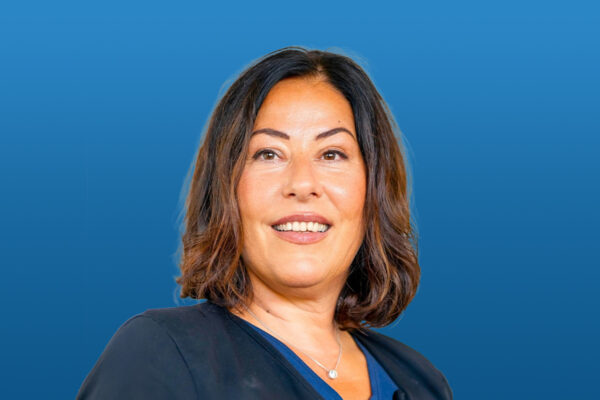 Monika Schröttle
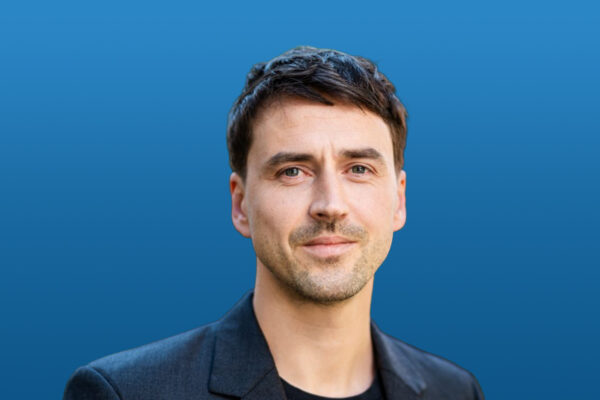 Clemens Göhler
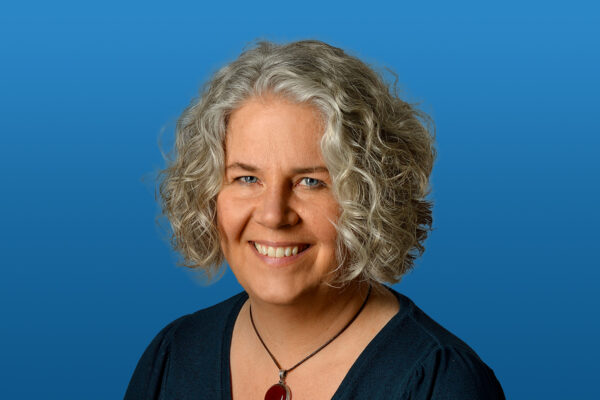 Sylvia Krenzel
 Steven Commey-Bortsie
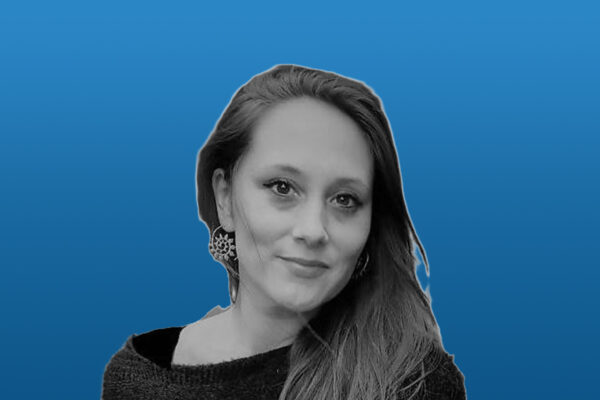 Tamara Candela
 Susanne Kaiser
 Suna Tanış
 Diana Gläser
 Anne Dittmann
 Iris Hannig-Pasewald
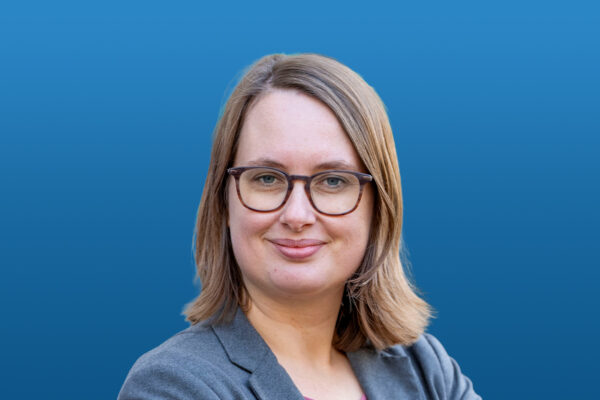 Mareike Engels
 Wolfgang Hammer
 Susanne Scharch
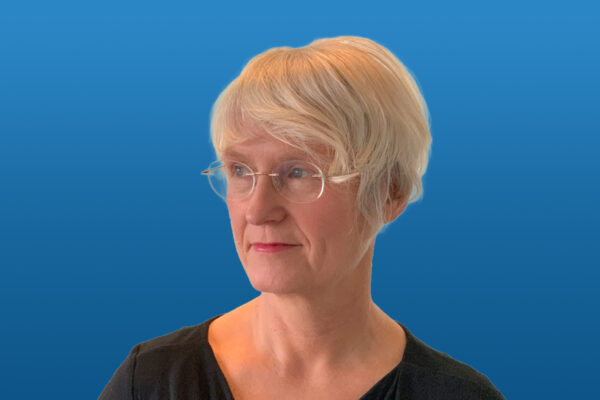 Sabine Stövesand
Day 2: Digital Space
 Leonie Tabea Natzel
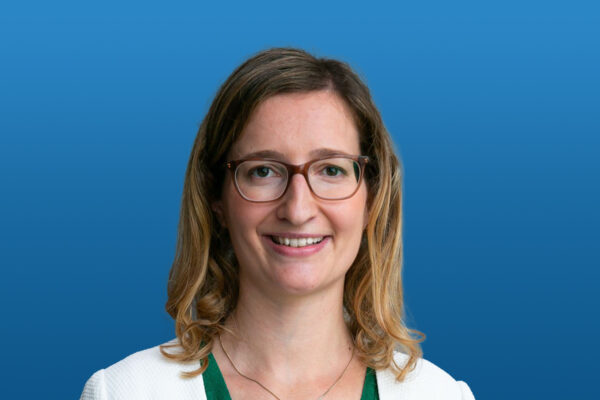 Maria Pawelec
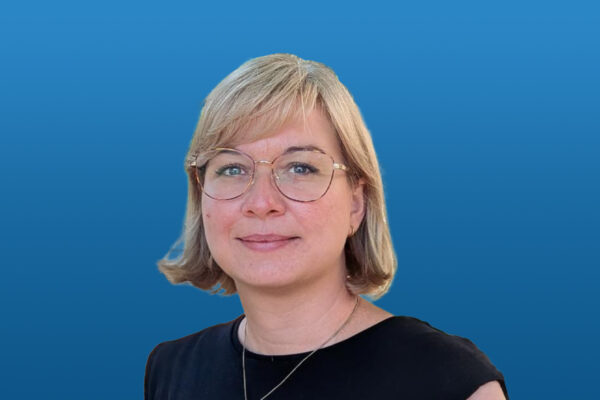 Michaela Burkhard
 Sonja Peteranderl
 Collien Monica Fernandes
 Tara-Louise Wittwer
 Corinna Dolezalek
 Tristan Horx
 Kathrin Gebel
 Judith Rahner
 Jacqueline Sittig
 Amos Wasserbach
 Aljosha Muttardi
 Sarah Timmann
 Johannes Hillje
 Arn Sauer
 Kira Daviter
 Katharina Brüchmann
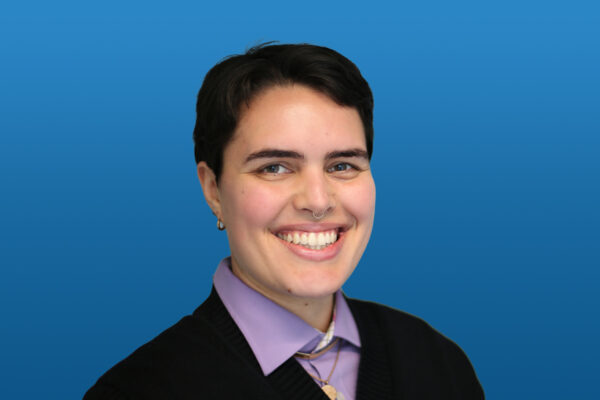 Kerstin Thost
 Marcus Urban
 Christine Meltzer
 Miriam Scheibe
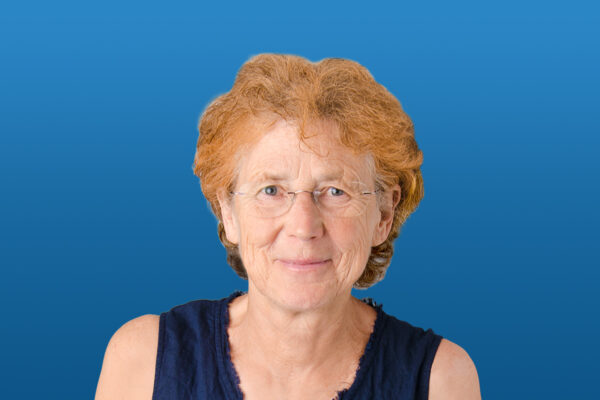 Kristina Hänel
 Sebastian Stockmann
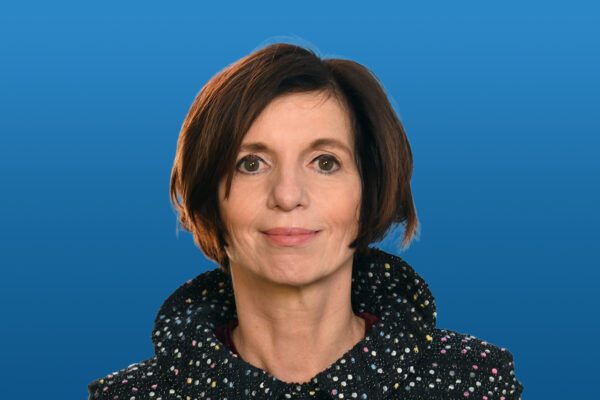 Jutta Allmendinger
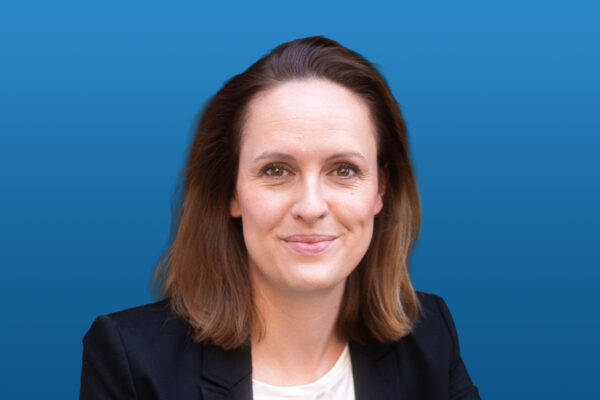 Victoria Heßeler
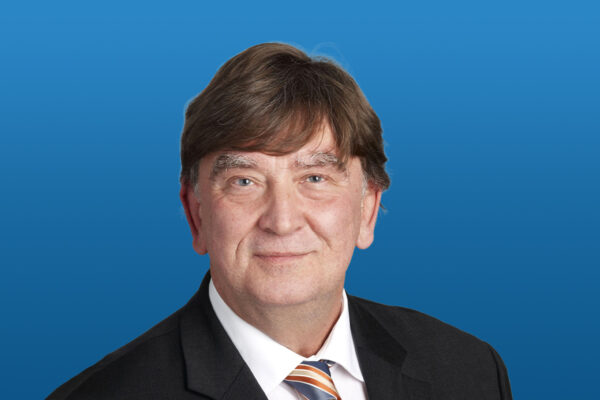 Hartmut Pfeiffer
 Leslie Kern
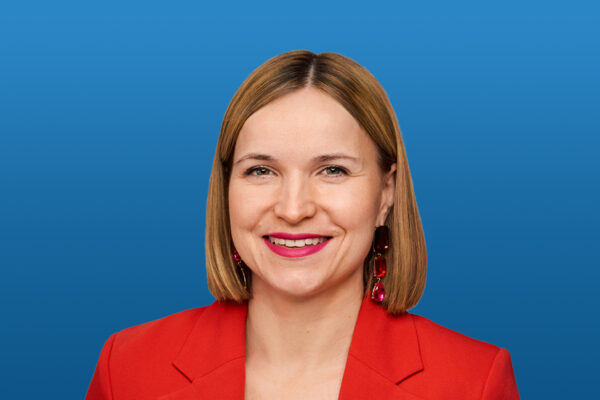 Anna Live
 LCavaliero Mann
Our speakers:
Violence and gender roles have many facets. That's why "Violence in Everyday Life" brings together diverse perspectives: people from academia, politics, NGOs, and the support sector, as well as people who have experienced violence themselves. They share their knowledge, experiences, and personal stories, question societal role models, and discuss what needs to change.
Here we introduce our speakers, sorted by event date and topic.
introduction
Moderation

November 20 | 10:30 – 12:30
Private space | Making violence in private spaces visible
November 20th | 1:15 PM - 3:15 PM
Private Space | Gender Roles, Power and Retraditionalization
November 20 | 3:30 PM - 5:30 PM
Private space | Help, prevention and structural gaps
November 21 | 10:05 AM - 12:05 PM
Digital Space | Making Digital Violence Visible
November 21 | 12:50 - 14:50
Digital Space | Narratives, Ideologies and Radicalization
November 21 | 2:55 PM - 4:55 PM
Digital Space | Protection, Regulation and Social Responsibility
November 22 | 10:05 - 12:05
Public space | Everyday violence, spaces of fear and gender roles
November 22 | 12:50 - 14:50
Public Space | Gender Roles and Power
November 22 | 2:55 PM - 4:55 PM
Public Space | Protection and Prevention
Consultation during the conference
Is something surfacing right now? Is a topic bothering you more than you thought? Is something triggering you, or do you simply need to talk? Then you've come to the right place. Throughout the conference, representatives from the Hamburg-based counseling organization Dolle Deerns, as well as a colleague from our foundation, will be available for you. We sincerely thank the team for taking on this role and creating a safe space.
The team will listen to you, give you initial guidance, and, if needed, connect you with appropriate resources. This is a referral service; comprehensive or long-term counseling cannot be provided here. You can find further counseling services and contacts in the "Market of Opportunities.".
The offer is valid from November 20th to 22nd, 2026
Glossary: Violence and Gender Roles
What does patriarchy actually mean? What lies behind terms like femicide, retraditionalization, or manosphere? Many terms related to violence and gender roles are unfamiliar. In our glossary, we explain important technical terms, social contexts, and current developments that also play a role in the lectures and discussions of our forum "Violence in Everyday Life.".
The glossary does not claim to be exhaustive, but is intended to provide an initial orientation, make connections more understandable and help to follow the discussions even without prior knowledge.
A relationship of dependency exists when one person is particularly reliant on another – for example, financially, emotionally, professionally, or because of shared children. Such dependencies can make it difficult to defend oneself against violence or to leave an abusive relationship. Therefore, they play an important role in many counseling and protection programs.
Antifeminism refers to attitudes, movements, and a political current that opposes feminism or measures promoting gender equality. Antifeminist positions can vary widely. Some reject specific equality policies, while others fundamentally question the necessity of equal rights or promote traditional notions about the roles of women and men. Antifeminism can manifest in political debates, on social media, or in everyday life and often plays a role in disseminating gender-based stereotypes. A highly networked and well-funded antifeminist scene can be observed worldwide, often overlapping with far-right and antidemocratic beliefs. Disinformation and direct agitation are frequently the preferred methods. The common goal is the preservation of traditional order as a means of stabilizing power.
Willingness to report a crime refers to whether people are prepared to report a crime to the police. Whether victims file a report depends on many factors – such as whether they feel they will be taken seriously, whether they fear the consequences of reporting a crime, or whether they have trust in the police and the justice system.
Awareness means being attentive to boundary violations, discrimination, and violence, and taking responsibility for respectful interactions. At events, there are often awareness teams that people can approach if they feel uncomfortable or need support.
The bystander effect describes a phenomenon where people are less likely to help in an emergency situation if many others are present. They often assume that someone else will intervene. Or they interpret the lack of intervention from others as a sign that the emergency isn't so serious. Therefore, it's important to consciously take responsibility and not wait for others to act.
Catcalling refers to unwanted, suggestive remarks, whistles, gestures, or shouts directed at other people – usually in public spaces. Those affected are often targeted because of their appearance or gender. Catcalling is unpleasant, intimidating, or disrespectful. It is frequently classified as a form of sexual harassment in public spaces.
Community-based prevention relies on preventing violence not only through state authorities (police and justice system), but also through associations, neighborhoods, schools, youth groups, and local initiatives. The goal is to distribute responsibility across many shoulders and offer support early on, ideally before violence even occurs.
Consent means that all individuals involved in an action give their free and informed consent. Consent is a central principle, especially in the context of sexuality. Silence, uncertainty, or coercion do not constitute consent. Furthermore, consent can be withdrawn at any time.
Deepfakes are images, videos, or audio recordings created or altered using artificial intelligence that appear real, even though they have been manipulated. For example, pornographic content is widespread in which AI superimposes the face of a real person, making it appear as if it were a real video featuring that person. Deepfakes can be used to expose people, spread misinformation, or perpetrate digital violence.
Disinformation is the deliberate dissemination of false or misleading information. Its aim can be to deceive people, sow distrust, or influence political opinions. Disinformation often spreads particularly quickly in the digital sphere. Common narratives used for disinformation purposes revolve around topics such as homophobia and antifeminism.
Digital civic courage means standing up against hate, discrimination, or violence online. This can mean supporting victims, reporting problematic content, or arguing factually against misinformation.
A discourse is a societal debate about a specific topic. It's not just about individual opinions, but also about which perspectives are particularly visible and which receive less attention.
Feminism is a social movement that advocates for equality and the free development of all genders. Originally, the focus was primarily on equal rights for women, such as the right to vote or access to education and employment. Today, feminism addresses issues including equal opportunities, gender-based violence, the distribution of care work, and the elimination of discrimination.
A femicide is the killing of a woman or girl because of her gender or in connection with gender-based violence. These acts are often perpetrated by current or former partners. The term makes it clear that such killings are often linked to power, control, or traditional notions of gender roles and should not be viewed merely as isolated acts of violence. Not every killing of a woman is automatically a femicide – the crucial factor is the connection to gender-based violence, power, or gender-related motives.
Gaslighting is a form of psychological manipulation in which one person deliberately tries to make another doubt their own perceptions, memories, or assessments. This can happen, for example, by denying experiences, distorting situations, or repeatedly portraying feelings as exaggerated. Gaslighting can lead to those affected increasingly doubting themselves and feeling more dependent on the manipulative person. It occurs in partnerships and other relationships and can be used to exert control over a person.
The gender pay gap refers to the difference between the average income of women and men. Various factors play a role, such as different professions, working hours, and the distribution of leadership positions. Part of the difference can be explained by these factors, while another part remains even after accounting for them and is explained, among other things, by structural disadvantages. The gender pay gap is frequently used as an indicator of how equally women and men can participate in the labor market.
Similar to the gender pay gap, there are numerous other such inequalities that can be explained by structural disadvantages. These include the gender pension gap (on average lower pensions for women due to poorer employment opportunities), the gender care gap (unequal distribution of unpaid care work), the gender data gap (lack of scientific data and insights into the lived realities of women), etc.
Gender equality means that all people – regardless of their gender – should have the same rights, opportunities, and possibilities. This is not just about equal treatment before the law, but also about dismantling existing disadvantages and enabling everyone to participate equally in social life. Gender equality affects many areas, such as education, employment, politics, family, and health.
Gender roles are societal ideas about how women, men, or people of other genders should behave, feel, or live. They influence, for example, expectations regarding career, family, appearance, or how to deal with emotions. Gender roles do not arise naturally but change over time, are culturally shaped, and differ between societies. They can provide orientation but can also lead to people feeling pressured to meet certain expectations or being genuinely limited in their opportunities (for example, in their career path).
Gender-based violence is violence that affects people because of their sex or because of societal perceptions of gender. It can be physical, psychological, sexualized, digital, or economic, and occurs in private, digital, and public spaces. Women and girls are disproportionately affected by gender-based violence worldwide. At the same time, men and people with diverse gender identities or sexual orientations can also experience gender-based violence. The term highlights that violence is often linked to societal role models, power dynamics, and inequalities.
The term "cycle of violence" describes how violence often doesn't remain a one-off event, but rather becomes repeated and can escalate over time. Therefore, early support for victims and early intervention are particularly important.
The glass ceiling refers to invisible barriers that can prevent people from rising to leadership positions or influential offices – even if they possess the necessary qualifications and experience. The term highlights that these hurdles are often not found in laws or official regulations, but rather arise from societal expectations, prejudices, or existing structures. The glass ceiling is particularly frequently used in connection with women in politics, business, or academia. However, the term generally describes all invisible barriers that can hinder access to positions of power and leadership.
Hate crime refers to offenses that are specifically directed against people because they belong to or are perceived as belonging to a particular group. Motives can include misogyny, racism, ableism, homophobia, etc. The decisive factor is therefore the perpetrator's motivation, not the actual identity of the surviving person.
“Incel” is short for “involuntary celibate.” In internet forums, this has given rise to a scene where misogyny is spread and violence against women is sometimes glorified. This often overlaps with far-right ideas and groups. Categorizing people is widespread – and with it, the idea of liberation from celibacy through transformation into an “alpha male.”.
Intersectionality describes how different forms of discrimination and disadvantage can interact and reinforce each other. For example, a person can be discriminated against simultaneously because of their gender, skin color, social background, and a disability. These experiences cannot always be viewed in isolation but can, in combination, create a unique form of disadvantage. The concept helps to make different lived realities visible and to better understand why people are seemingly affected differently by the same social conditions.
Power describes the ability to influence other people or societal decisions. Power is inherently neither good nor bad – it is a part of life in families, organizations, and politics. Power becomes problematic when it is used to intimidate or control others, or to deprive them of their rights and agency. In the context of violence, it is often said that violence not only causes physical harm but also serves to exert power over others or to maintain existing power structures.
Manipulation means deliberately influencing other people to think, feel, or act in a way that is not entirely their own decision. This can be done, for example, through guilt, lies, intimidation, or withholding important information. In abusive relationships, manipulation is frequently used to exert control or to prevent victims from seeking help.
The manosphere is a network of various online communities, forums, podcasts, and social media channels where topics such as masculinity, relationships, and gender roles are discussed. The term has become particularly well-known for those parts of this network where antifeminist and misogynistic ideologies are disseminated. Traditional gender roles are often idealized there, equality is rejected, and women are blamed for personal or societal problems. Some groups glorify control over women, justify sexualized or intimate partner violence, or exchange strategies for manipulating or exploiting women. Furthermore, there are overlaps with far-right ideologies, conspiracy theories, and other forms of group-based hostility. Researchers and security agencies therefore view parts of the manosphere as an important space where antifeminist attitudes can become entrenched and individuals can become further radicalized.
Microaggressions are often everyday remarks or behaviors that belittle or exclude people because of their membership in a particular group. To outsiders, they may seem insignificant, but they can cause lasting distress for those affected – especially when accumulated over the course of all these "small" experiences.
On the other hand, misandry describes the devaluation or hostility towards men based on their gender. Misandry can manifest itself, for example, in insulting statements, prejudices, or a blanket rejection of men.
The term refers to the devaluation, hostility, or hatred towards women and girls because of their gender. Misogyny can manifest itself in language, behavior, discrimination, harassment, or violence. It can originate from individuals, but can also be visible in societal perceptions or structures.
Low-threshold services are easily accessible and can be used without major obstacles. Examples include free consultations, anonymous hotlines, or online services that do not require complicated applications.
Normalization occurs when problematic behaviors become accepted as normal over time. This can lead to violence or discrimination being perceived less or questioned less frequently. Currently, normalization is also being discussed as a deliberate strategy: individuals or groups consciously and regularly use discriminatory or violent language or behavior so that the rest of the population becomes accustomed to it and increasingly perceives this discrimination/violence as normal and less problematic.
Objectification means judging a person primarily based on their body or sexual attractiveness, thereby diminishing their value as a person. This behavior is degrading and can contribute to structural inequality.
Intimate partner violence encompasses violence between people who are or have been in a relationship. This includes physical, psychological, sexual, digital, and economic violence.
Patriarchy refers to societal structures in which men have historically, and often still today, possessed more power, influence, and decision-making power than women. This can manifest itself, for example, in politics, economics, family, or other areas of social life. The term describes societal conditions and not individuals. It is used to explain how power and opportunities are distributed between the sexes and what consequences this can have for the everyday lives of many people. Gender-based and antifeminist violence is considered the most extreme manifestation of patriarchy—and, at the same time, a central pillar of it.
A prevention chain describes the interplay of various measures designed to prevent violence as early as possible. These include education, counselling, social support, police, the justice system, and assistance services.
Queerphobia refers to the devaluation, exclusion, or discrimination of people whose sexual orientation or gender identity deviates from societal norms. This includes, for example, lesbian, gay, bisexual, trans*, intersex, or non-binary people, as well as other individuals who identify as queer. Queerphobia can manifest itself in offensive language, discrimination, harassment, or violence. It can originate from individuals but can also be evident in societal structures or prejudices.
Retraditionalization means that traditional ideas about gender roles are regaining importance. For example, it is increasingly expected and considered normal that women primarily take care of family and household responsibilities, while men assume financial responsibility. Such developments can have an impact on gender equality and influence how tasks, opportunities, and responsibilities are distributed in a society. They are increasingly normalized in online forums (sometimes with a deliberate political agenda).
A safe space is a place where people can interact with each other as free as possible from discrimination, harassment, or violence. While complete safety can never be guaranteed, clear rules and support should help ensure that everyone feels comfortable.
A safeguarding policy is a plan that organizations use to prevent violence and respond appropriately to boundary violations. This includes clear rules, designated contact persons, training, and procedures for emergencies.
A protection gap arises when people are not adequately protected despite existing laws or support services. Reasons for this can include a lack of spaces in women's shelters, insufficient funding for counseling centers, or legal loopholes.
Secondary victimization occurs when victims are further burdened after experiencing violence – for example, because they are not believed, are accused, or are treated disrespectfully. Even well-intentioned reactions ("maybe wear longer skirts in the future") can be unintentionally hurtful.
Social control describes how people influence each other through expectations, rules, or reactions. It can help prevent violence, but it can also lead to victims remaining silent out of fear of others' opinions.
Stalking means that one person repeatedly follows, harasses, or monitors another, causing fear or insecurity. This can happen in person or via digital media.
Victim-blame reversal occurs when responsibility for violence is attributed to the victims, while the perpetrators' behavior is downplayed or excused.
Trauma-informed support means that professionals consider the impact that distressing experiences can have on people. The goal is to avoid further burdening those affected and to treat them with understanding, respect, and safety.
Many people who have experienced violence prefer to call themselves "survivors" rather than "victims." This term emphasizes that they continue to live despite the violence they have experienced and still possess their own agency. The choice of term is a personal one.
Vulnerability means being vulnerable. Some people, due to their life circumstances, age, disability, or other factors, have a higher risk of experiencing violence or discrimination. However, this does not mean that these people are weak.
Not only victims and perpetrators play a role in violence. People who witness or learn about violence can also contribute to organizing help or ending the violence. The witness perspective addresses this responsibility.
Coercive control is another term for behavior in which one person systematically attempts to control another person's life – for example, through control, intimidation, isolation, or financial dependence.
Market of Opportunities
Behind the fight against violence are many dedicated individuals, associations, and organizations who work daily to support victims, promote prevention, and bring about social change. With our digital „Marketplace of Opportunities,“ we aim to highlight this diverse commitment and provide organizations with a platform to present themselves and their work.
Here you can get to know initiatives and projects, learn more about their services, and discover exciting campaigns, videos, and other materials. You'll also find contact information and further links to help you stay informed, exchange ideas, or get involved yourself.
biff Eimsbüttel/Altona – Advice and information for women
The biff Eimsbüttel/Altona is a psychosocial women's counseling center in Hamburg. We advise and support women in difficult life situations – regardless of age, income, origin, or sexual orientation. We offer a safe space to discuss burdens, sort out one's own situation, and develop new perspectives and courses of action. Our counseling services include support for experiences of violence, conflicts in partnerships and families, separation and divorce, and more.
BKSF – Federal Coordination of Specialized Counseling against Sexualized Violence in Childhood and Adolescence
BKSF stands for Federal Coordination of Specialized Counseling Against Sexualized Violence in Childhood and Adolescence. We are the professional policy advocacy group and information and service center for specialized counseling centers working against sexualized violence in childhood and adolescence.

Federal Specialist and Coordination Office for the Protection of Men from Violence (BFKM)
The Federal Specialist and Coordination Center for the Protection of Men from Violence (BFKM) has been funded by the Federal Ministry of Education, Science and Research (BMBFSFJ) since 2019. We are committed to expanding the network of protection and counseling services for men affected by domestic violence. Our main areas of focus are: providing policy and expert advice on the development of men's protection and counseling projects; supporting and networking existing stakeholders in the field of men's protection from violence; developing quality standards and practical tools; publishing position papers and…
Federal Forum for Men – Interest Group for Boys, Men and Fathers (BFM)
The Federal Forum for Men is the umbrella organization for equality-oriented organizations active in the field of work and policy concerning boys, men, and fathers. We advocate, among other things, for the expansion of information, education, counseling, and support services for boys, men, and fathers, and we represent their diverse interests and needs in federal politics. The Federal Forum for Men is a point of contact for policymakers…
Federal Association of Women's Counseling Centers and Women's Helplines (bff)
The Federal Association of Women's Counseling Centers and Women's Helplines (bff) is the nationwide umbrella organization of currently 239 specialized counseling centers and women's helplines that advise and support women and girls experiencing gender-based violence. The member organizations provide counseling and support for various forms of gender-based violence, discrimination, and disadvantage. These include sexualized violence, (ex-)partner violence, stalking, as well as digital, psychological, physical, structural, and economic violence. The association has been working since the early 2010s…

The NETTZ – Networking Center against online hate and disinformation – Together for a better NETZ
NETTZ, founded in 2017, is Germany's only networking center against online hate and disinformation. The organization advocates for a respectful, non-discriminatory digital environment and strengthens democratic participation, freedom of expression, and social cohesion. To this end, it connects and supports civil society initiatives, pools knowledge, and provides practical resources for digital civic courage. With services such as the actor database and the intervention atlas…

Diakonie Hamburg – FairLove
FairLove is a counseling and prevention project for girls* and young women* who are affected by or threatened with forced prostitution and/or the loverboy method. We raise awareness about the loverboy method, in which young women* are lured into forced prostitution through feigned love and emotional manipulation. This targeted exploitation is a form of domestic human trafficking and is a criminal offense in Germany. We offer anonymous, non-judgmental counseling to those affected…

Institute for Criminological Planning Consulting and Socio-Spatial Process Support – IKS GbR
The Institute for Criminological Planning Consulting and Socio-Spatial Process Support, or IKS for short, works in the field of urban security. This approach to prevention focuses on the design and usability of public and semi-public spaces with the aim of avoiding opportunities for crime and preventing the development of spaces perceived as unsafe. The work is based on the international standard of Crime Prevention Through Environmental Design…

urban.policy
We at urban.policy are an interdisciplinary team from the fields of urban planning, architecture, geography, landscape architecture, and environmental psychology. Our focus is on gender-equitable, inclusive urban development that establishes and makes visible diverse lived realities. We develop tools and strategies to make urban planning fairer, more accessible, and more practical – with an intersectional perspective and a clear goal: to translate theory into concrete action. Our work includes:…

WEISSER RING eV.
The White Ring (WEISSER RING e. V.) is a non-profit organization that has been supporting and assisting people affected by crime for 50 years. Around 3,000 trained volunteers are there to help victims of crime and their families. They listen, take the concerns of those affected seriously, and identify individual support options. As guides within the support network, they work with…